Lincoln Electric ® acquires Inrotech A/S
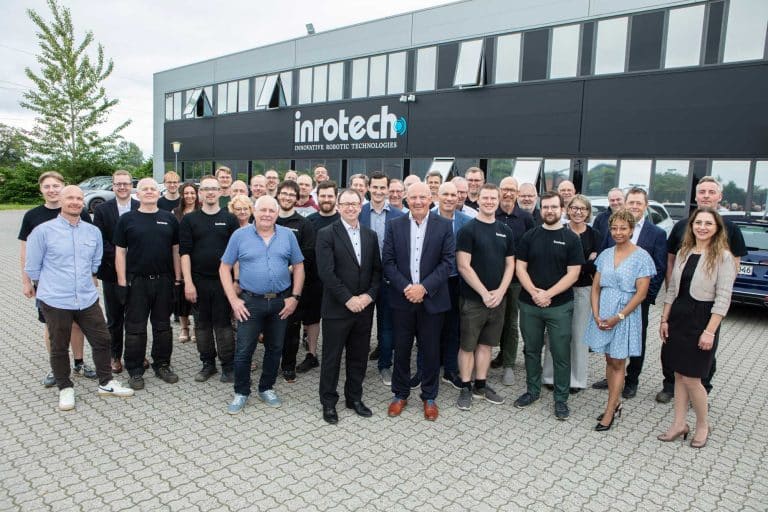
Vision-Based Adaptive Intelligence Software Extends Lincoln Electric’s Technology Platform -Lincoln Electric® is pleased to announce that it has acquired Inrotech A/S. Headquartered in Odense, Denmark,


Vision-Based Adaptive Intelligence Software Extends Lincoln Electric’s Technology Platform -Lincoln Electric® is pleased to announce that it has acquired Inrotech A/S. Headquartered in Odense, Denmark,
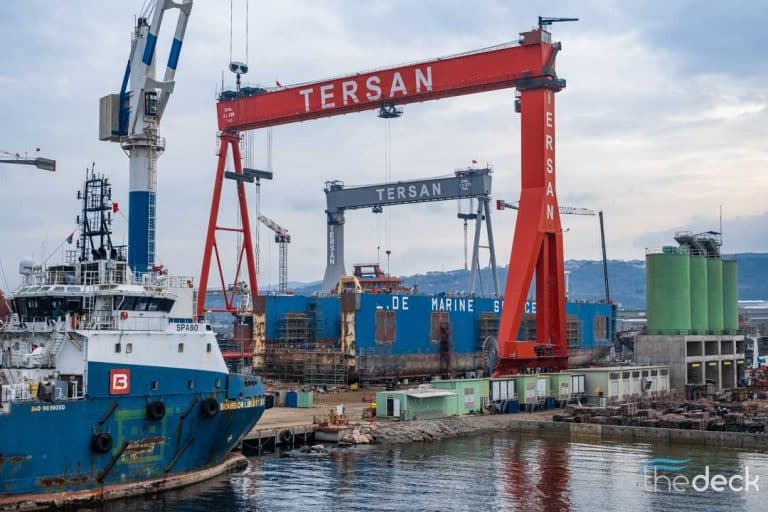
Inrotech has received an order from Tersan Shipyard, a diversified company with expertise in constructing LNG and battery-operated vessels, as well as various value-added niche

Inrotech welcomes Henrik Lenskjold as its new Chief Executive Officer. Henrik, who served as the Chief Operation Officer at Inrotech for six years, has been
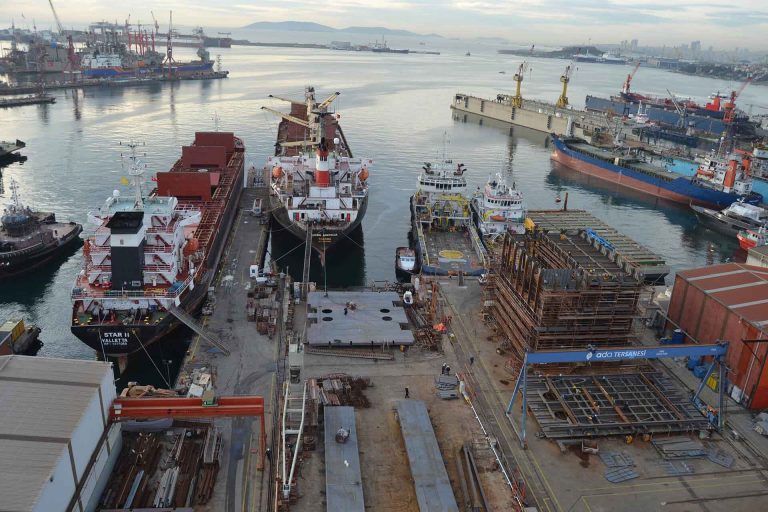
Welding robots originating from Denmark have gained substantial popularity within the Turkish shipbuilding industry for the welding of ship panels. Ada Shipyard, a prominent shipyard
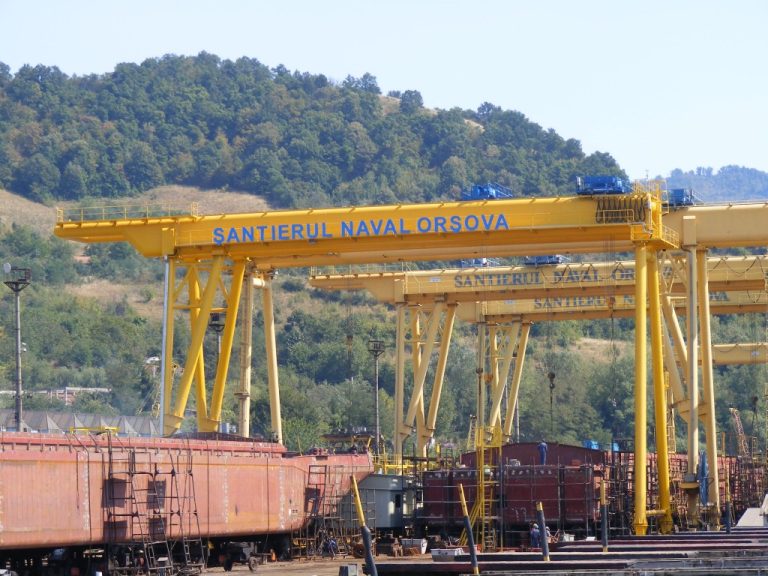
Inrotech has received an order from Santierul Naval Orsova Shipyard, a leading shipbuilder in Romania. The company invest in high quality welding automation as a

The growing need for skilled welders in offshore wind and shipyards worldwide has placed a huge demand for labor in these sectors. Numerous manufacturers experience
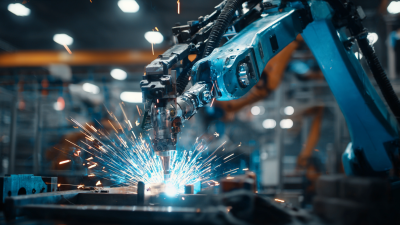
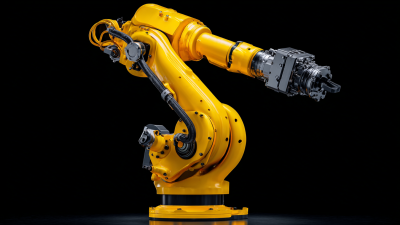
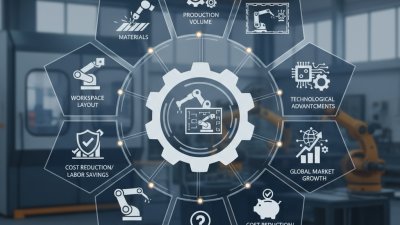
In the rapidly evolving landscape of modern manufacturing, the integration of technology is paramount to maintaining competitiveness and efficiency. Among the myriad advancements, the use of a MIG welding robot stands out as a transformative solution for industrial processes. These automated systems not only enhance precision in welding applications but also significantly improve productivity and work safety. By streamlining the welding process, they allow manufacturers to optimize resource allocation and minimize labor costs, paving the way for increased profitability.
The benefits of adopting a MIG welding robot extend beyond mere cost savings; they include improved weld quality, consistency, and reduced downtime. With programmable capabilities, these robots can swiftly adapt to various tasks, making them invaluable assets on the production floor. As we delve into the top ten benefits of using a MIG welding robot, it becomes clear that embracing this technology is not just about keeping pace with the competition—it’s about leading the charge towards innovation and excellence in manufacturing. The future of welding is here, and it is automated.
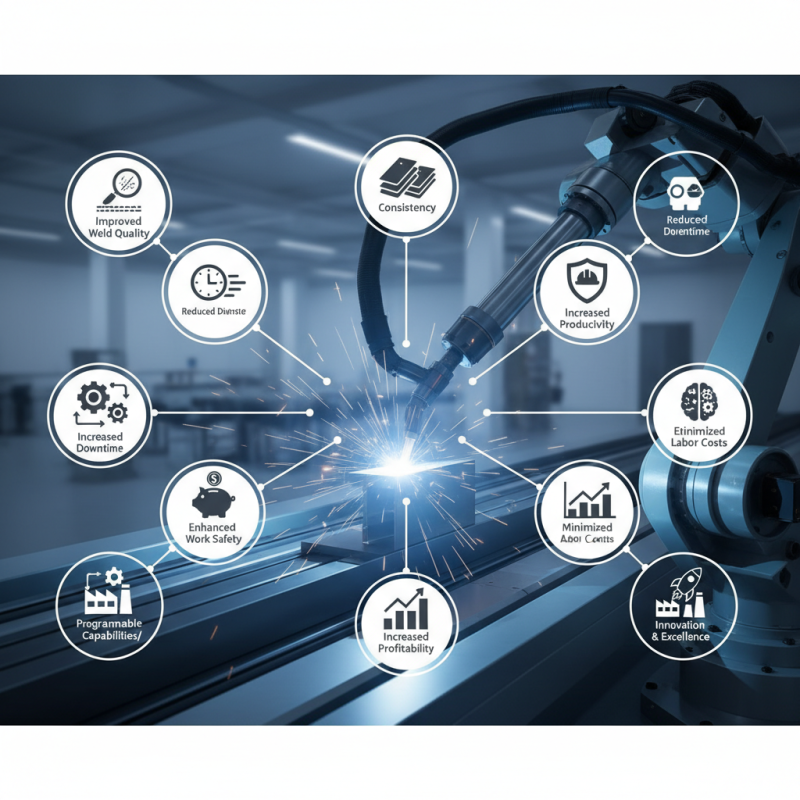
The implementation of MIG welding robots in modern manufacturing significantly enhances precision and consistency in welding processes. These automated systems are programmed with high-level accuracy, allowing them to execute intricate welding tasks that are difficult to replicate by human operators. The consistency achieved through robotic welding minimizes the occurrence of defects and rework, which are common challenges in manual welding. As a result, manufacturers can produce high-quality products at a faster rate, leading to improved overall productivity.
Moreover, the enhanced precision of MIG welding robots reduces the variability that can arise from human factors such as fatigue and inexperience. This stability contributes to tighter tolerances in production specifications, ensuring that components fit together perfectly, which is crucial in industries where safety and performance are paramount. By employing welding robots, companies can maintain strict control over their manufacturing processes, yielding better process repeatability. This technological advancement not only boosts overall efficiency but also promotes a higher level of confidence in the final products delivered to consumers.
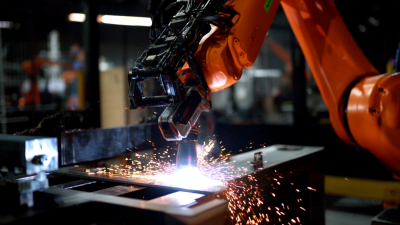
The integration of MIG welding robots in modern manufacturing has significantly transformed the industrial landscape, particularly in terms of labor costs. By automating the welding process, manufacturers can dramatically reduce the need for a large workforce, which not only lowers payroll expenses but also minimizes the costs associated with training and employee benefits. Automation allows companies to redirect their financial resources toward other critical areas, such as research and development or product innovation, thereby fostering a more competitive market position.
Furthermore, the precision and consistency offered by welding robots enhance productivity and reduce waste, contributing to overall cost savings. Automated systems can operate continuously, maintaining high levels of output without the fatigue or variability inherent in human labor. This efficiency not only accelerates production cycles but also leads to fewer defects, reducing the need for costly rework and ensuring that resources are allocated more effectively within the manufacturing process. By leveraging advanced technology in welding practices, companies can achieve better financial performance while maintaining high-quality standards in their products.
| Benefit | Description | Impact on Labor Costs |
|---|---|---|
| Increased Efficiency | Robots can operate continuously without breaks, significantly increasing output. | Reduces overtime costs and maximizes production hours. |
| Consistent Quality | Automated welding improves precision, resulting in uniform weld quality. | Less rework required, which lowers labor costs associated with corrections. |
| Reduced Material Waste | High precision of robotic welding minimizes excess material use. | Lowers costs related to material purchasing and disposal. |
| Safety Improvements | Robots handle dangerous tasks, reducing injury risks for human workers. | Decreases worker compensation claims and associated costs. |
| Flexible Production | Robots can be reprogrammed for different welding tasks quickly. | Shortens changeover time, optimizing labor allocation. |
| Lower Training Costs | Operators require less training to manage robotic systems than manual welding techniques. | Cuts costs related to hiring and training skilled labor. |
| Enhanced Speed | Welding robots perform tasks faster than human welders. | Increases overall output, allowing for the same or less labor to produce more. |
| Predictable Performance | Robots provide reliable outputs which enhance production planning. | Facilitates better resource allocation and scheduling. |
| Availability for Complex Tasks | Robots can execute complex welds that may be difficult for manual labor. | Allows human workers to focus on value-added tasks, optimizing labor costs. |
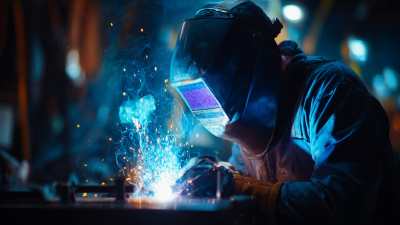
In modern manufacturing, the adoption of robotic systems for MIG welding has led to significant improvements in workplace safety. According to data from the National Institute for Occupational Safety and Health (NIOSH), approximately 5,000 workplace fatalities occur annually in the United States, with a considerable percentage resulting from welding-related incidents. By implementing MIG welding robots, companies can substantially mitigate these risks. Robots can operate in hazardous environments, handling toxic fume emissions and high temperatures, thereby reducing the exposure of human workers to dangerous conditions.
Furthermore, robotic welding systems contribute to a more consistent and precise welding process, significantly decreasing the likelihood of accidents caused by human error. A report from the American Welding Society indicates that up to 70% of welding-related injuries stem from fatigue and poor ergonomic practices among operators. By utilizing MIG welding robots, manufacturers not only enhance production efficiency but also ensure that human workers are freed from repetitive and strenuous tasks, leading to a safer workplace environment. The shift towards automated welding solutions thus plays a crucial role in elevating safety standards across the manufacturing sector.
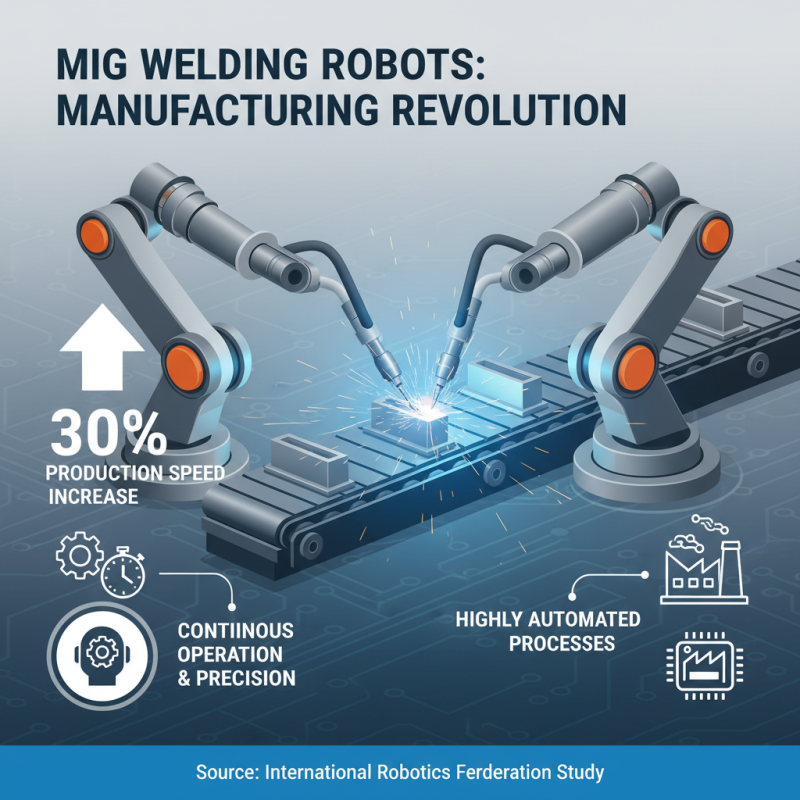
The integration of MIG welding robots in modern manufacturing has led to significant advancements in production speed and efficiency, transforming traditional practices into highly automated processes. According to a study by the International Robotics Federation, industries that have adopted robotics in welding have experienced up to a 30% increase in production speed. This acceleration is attributed to the robots' ability to operate continuously without fatigue, ensuring a consistent output that human workers cannot match in terms of hours worked and precision.
Furthermore, a report from the American Welding Society indicates that automated welding solutions, including MIG welding robots, can enhance productivity rates by as much as 50% while reducing operational costs. With the precision of these robots, manufacturers can minimize material waste and improve weld quality, which not only streamlines operations but also leads to reduced rework and downtime. The high level of efficiency and speed achieved through robotic welding allows manufacturers to meet increasing demands in a competitive market, positioning them for growth and profitability.
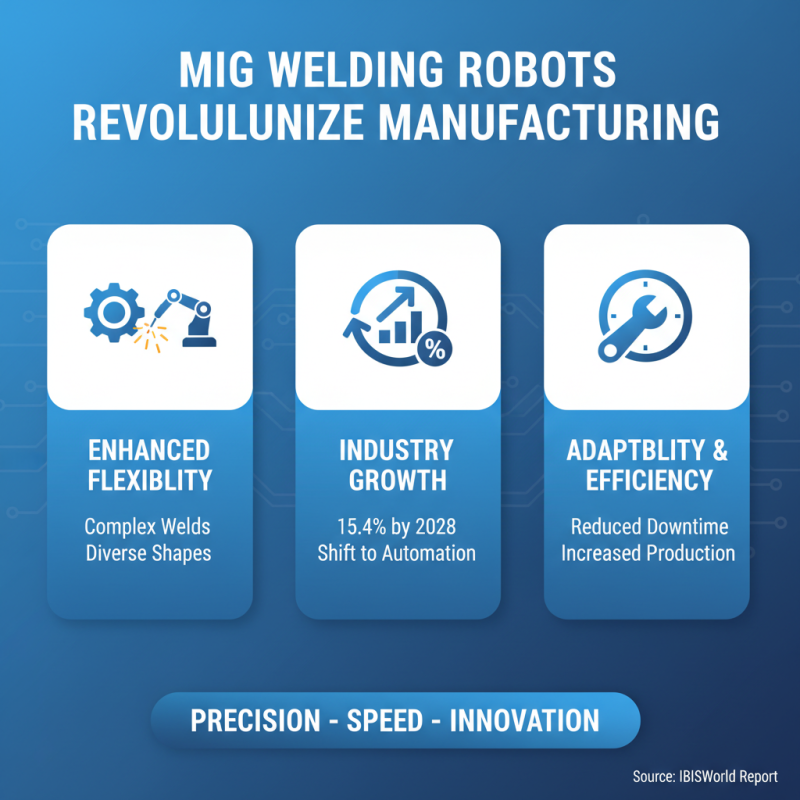
In modern manufacturing, the integration of MIG welding robots has revolutionized the industry by offering enhanced flexibility for complex welding tasks across various sectors. According to a report by IBISWorld, the robotics industry is projected to grow by 15.4% over the next five years, indicating a significant shift toward automation. MIG welding robots can be programmed to perform intricate welds with precision, adapting to different shapes and sizes without the need for extensive reconfiguration. This adaptability not only reduces downtime but also enhances the production capabilities of manufacturers.
Moreover, a study conducted by the International Federation of Robotics revealed that automating welding tasks can increase productivity by up to 30%. These robots are equipped with advanced algorithms that allow them to adjust welding parameters in real-time, ensuring optimal results even in challenging environments. This level of flexibility is particularly beneficial in industries such as automotive, aerospace, and construction, where varying materials and designs often complicate traditional welding processes. By employing MIG welding robots, manufacturers can streamline operations, reduce waste, and improve overall quality, addressing the demands of today's fast-paced market efficiently.